Electric Cars in 2026: What’s Actually Improving (And What Still Isn’t)
13 min read The Future of Electric Cars What’s Actually Improving This Year February 13, 2026 01:23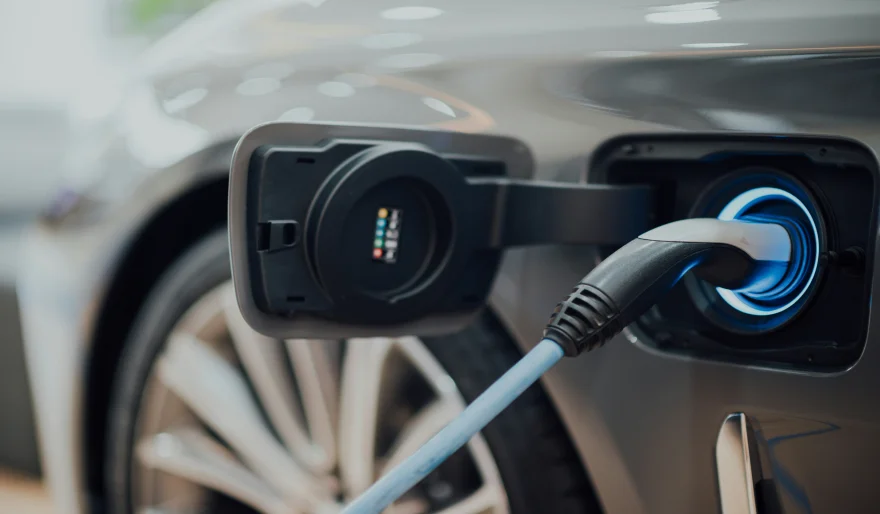
For years, conversations about electric cars followed a predictable script.
Longer range. Faster charging. More affordable models. Every manufacturer promised the same things, and every year the improvements were real but incremental—better batteries, slightly more efficient motors, another hundred kilometers of range if you bought the premium trim.
2026 feels different.
Not because the technology suddenly leaped forward overnight. But because the priorities are shifting in a more practical direction. After a decade of chasing specs that look good on comparison charts, more carmakers are focusing on the things that change how an electric vehicle actually feels to own day-to-day.
Here’s what’s genuinely getting better this year — and what’s still not.
Charging Is Becoming Less of a Personality Trait
Ask most electric car owners what they’d change about their experience, and the answer is almost never “more range.”
It’s the charging itself.
Not just speed—although that’s improving too. It’s predictability. Showing up to a station and having it work. Plugging in without opening three different apps. Paying without the screen asking you to create an account and subscribe to a newsletter just to get twenty bucks of electricity.
In 2026, that experience is slowly improving in many regions.
Charging networks are becoming more standardized, and more stations now support simpler payment options. In some markets, drivers can pay directly through the vehicle or a single connected account, instead of juggling multiple apps depending on the station.
It’s not universal yet. There are still dead zones, incompatible connectors, and stations that look functional but deliver power at a fraction of the advertised speed.
But the direction is clear:
Charging is being treated less like a tech startup experiment — and more like a utility.
For owners, this means fewer surprises. Not zero surprises. But fewer.
The Range Conversation Is Evolving
For a long time, automakers treated range like a competition.
Who could claim the highest number? Who could cross 500 kilometers, then 600, then 700?
That race hasn’t stopped. But it’s no longer the only story.
What owners actually care about is real-world range—not the optimistic laboratory number printed in the brochure.
How far can you drive at highway speeds in cold weather with the heat running? How much buffer does the car leave below zero? Does “300 kilometers” mean 300 usable kilometers, or 240 with a nervous driver watching the gauge drop faster than expected?
In 2026, more manufacturers are paying attention to this gap — partly because EV owners compare notes online more than any other car segment.
The result is less exaggeration and more transparency in how range is presented.
Some brands now show multiple range estimates depending on conditions. Others have improved their in-car range predictions to update dynamically based on speed, temperature, and driving style instead of relying on a static estimate.
It’s not charity.
It’s a response to a market where buyers are better informed than they were five years ago, and inflated numbers now damage trust more than they boost sales.
Software Is Becoming a Feature, Not a Subscription Gamble
Early electric cars treated software like a one-time gift.
You bought the car, you got the features. Updates arrived occasionally, fixed bugs, maybe added something small.
Then the subscription model arrived.
Heated seats behind a monthly paywall. Performance upgrades you already paid for but couldn’t access unless you kept paying. Features built into the hardware, deliberately disabled, waiting for your credit card to authorize their release.
The backlash was predictable and fierce.
In 2026, many manufacturers appear to be pulling back — at least in the most unpopular areas.
Not because they stopped wanting recurring revenue—they absolutely still want that. But because customers will accept subscriptions for services, not for basic features that were standard five years ago.
The shift is subtle but important.
Instead of locking hardware behind paywalls, more brands are bundling software into trim levels or one-time upgrade packages. Instead of monthly fees for seat heaters, they’re focusing subscriptions on things like:
• connected navigation services
• advanced driver assistance packages
• premium connectivity features
• charging route optimization
• remote vehicle management tools
It’s not generosity.
It’s market correction. And it makes ownership feel less like a never-ending negotiation.
Second-Life Batteries Are Making the Used EV Market More Real
This is the quiet improvement that matters more than most people realize.
For years, the assumption was simple:
An electric car battery degrades, becomes less useful, and eventually needs replacement.
What happened to the old battery wasn’t something most buyers thought about.
Now it is.
Because the first wave of mass-market electric vehicles is aging out of their original owners and entering the used market. And the question everyone asks—how long will this battery actually last?—is finally being answered with data, not speculation.
The results are better than many people expected.
Battery degradation is real, but in most cases it’s gradual, not catastrophic. Many EVs retain a large portion of their capacity well beyond their warranty periods, especially when charging habits and temperature conditions are reasonable.
That’s changing how people think about buying used EVs.
Independent battery testing is becoming more common. Certification programs are emerging. Some manufacturers and third-party companies now offer refurbished or replacement battery solutions at lower cost than earlier estimates.
This won’t make headlines.
But it’s turning electric cars from “disposable tech” into durable goods — and that matters more than another 50 kilometers of range.
What Hasn’t Changed (And Probably Won’t Anytime Soon)
For all the genuine progress, some frustrations remain stubbornly fixed.
Affordability is still a problem.
The cheapest electric cars are cheaper than they were, but “cheaper” is relative. Entry-level models still cost more than comparable gasoline vehicles in many markets, and the used EV market, while growing, hasn’t reached the volume where prices truly drop everywhere.
Public charging density is improving faster in some regions than others.
If you live in Western Europe or parts of North America, your experience is getting noticeably better. If you live in rural areas or regions with slower EV adoption, you’re still planning trips around available stations.
And the pace of improvement means your car will feel “older” faster than a gasoline car would.
Not mechanically—electric powertrains are simpler and often more durable.
But technologically.
Charging speeds increase. Efficiency improves. Software evolves. A 2026 model can feel noticeably more advanced than a 2021 model even if the battery size is similar.
This is the trade-off no one talks about.
Gasoline cars improved slowly. A ten-year-old Camry isn’t embarrassingly behind.
A ten-year-old electric car from the early adoption era can be.
Final Thoughts
Electric cars in 2026 are not radically different from electric cars in 2022.
They don’t charge in five minutes.
They don’t have 1,000 kilometers of range.
They don’t cost the same as a Toyota Corolla.
But they are improving in the ways that actually affect daily ownership:
• charging is less frustrating
• range estimates are becoming more realistic
• software subscriptions are less aggressive
• the used market is becoming more viable
These aren’t breakthroughs.
They’re refinements.
And after a decade of chasing revolutionary headlines, the electric vehicle industry is learning that refinement is what actually moves the needle for normal buyers.
The future isn’t a single leap.
It’s a thousand small steps.
And 2026 brought a few more of them.
User Comments (0)
Popular Apps










Editor's Choice